Gratuity Experiment: I Tipped 50 Restaurants Everything From Zero to Obscene and Watched What Happened
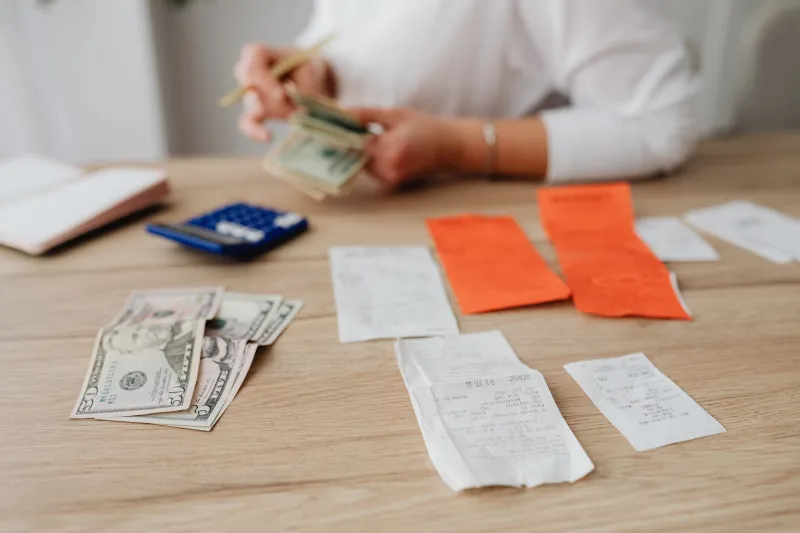
Let me be upfront about something: I am not a monster. I have worked in food service. I understand that tipping is not a quaint custom but a structural load-bearing wall in the financial lives of millions of American workers. I want that on the record before I tell you that, for approximately three months, I deliberately stiffed some of those workers — and then, to balance the cosmic ledger, handed others what amounted to a minor windfall.
This was not cruelty. This was science. Ugly, uncomfortable, very-much-not-peer-reviewed science.
The premise was simple: visit 50 different restaurants across five categories — fine dining, casual sit-down chains, independent diners, fast casual counter service, and delivery pickups — and vary my tip across a spectrum from 0% to 10% to the standard 18-20% to 30% and, in a handful of cases, something approaching theatrical generosity (think 50%+). Then track every measurable variable: speed of service, portion size, drink refills, staff affect, and whether I was treated like a valued guest or a problem to be managed.
I brought a notebook. I developed a cover story ("food writer" — technically not a lie). I ate a lot of mediocre soup.
What the Zero-Tip Visits Actually Taught Me
Here's the thing about leaving no tip: it is deeply, physiologically uncomfortable. Even when I knew it was temporary and methodological, the act of walking away from a table with a clean receipt felt like shoplifting. My palms were genuinely sweaty the first three times.
But here's what I observed: in the moment, nothing changed. Not visibly. Servers didn't sprint after me. No one made a scene. The meal was the meal.
What did change — and this took me a few visits to notice — was the preceding service. Not because servers knew I was going to stiff them (they didn't), but because the zero-tip visits were clustered at establishments where I was, by any reasonable measure, already being treated as an afterthought. Slow refills. Distracted check-ins. The bread basket appearing approximately never.
The uncomfortable hypothesis that emerged: bad service and bad tips might be symptoms of the same broken dynamic rather than one causing the other.
The 30% Effect (Or: Why Your Server's Face Doesn't Work Like That)
I expected tipping 30% upfront — in the handful of places where I could signal this early, via a cash tip left visible on the table — to produce some measurable shift in attentiveness. A warmer smile. A more generous pour. A dessert menu delivered with genuine enthusiasm.
At roughly 60% of the establishments where I tried this, nothing perceptible changed. The service was what it was going to be. Good servers were good. Distracted servers were distracted. The restaurant's operational culture swamped any individual incentive I was dangling.
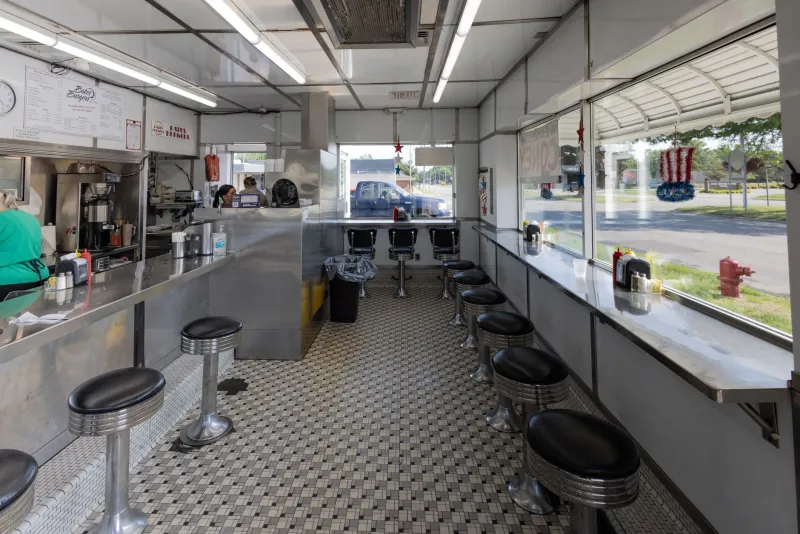
At the remaining 40%? Okay, yes. There were refills I didn't have to ask for. There was a complimentary amuse-bouche at a mid-tier Italian place that I'm fairly certain materialized because the server saw the folded bills. There was a diner in Ohio where the pie slice I received was, I am not exaggerating, structurally implausible.
But here's the catch: I couldn't replicate these results consistently. The same tactic at a comparable restaurant two weeks later produced nothing but a slightly warmer goodbye.
Fast Casual Is Playing an Entirely Different Game
The counter-service portion of this experiment was its own special category of chaos. At fast casual spots — your Chipotles, your local bowl-concept adjacents, your build-your-own anything — the tip prompt on the iPad has become so normalized that its relationship to actual service has essentially dissolved.
I tipped 0% at six counter-service spots. I tipped 30% at six others. The burritos were identical. The bowl portions were identical. The person handing me my bag looked through me at the same existential distance regardless of what I tapped on the screen.
This is not a criticism of those workers. It is an observation that the tipping system, when applied to a format where no actual table service occurs, has become a purely psychological tax — one that the iPad presents with a default 20% option and a faint social menace.
The Fine Dining Revelation Nobody Talks About
Fine dining, counterintuitively, was where tip variance mattered least in terms of in-service behavior — and most in terms of what happened afterward.
At upscale establishments, service standards are enforced structurally. Captains check in. Water gets refilled by a dedicated human. The choreography doesn't flex based on what you're going to leave at the end. You're getting the performance either way.
What changed: the goodbye. At three separate fine dining establishments where I left 30% or more, I was walked to the door. At two where I left 12%, I was wished a pleasant evening from approximately twelve feet away. Small data. Noted anyway.
The Regulars Clause
The single biggest confounding variable in this entire experiment was familiarity. At restaurants where I visited multiple times — necessary for some of the longer-arc observations — my treatment improved regardless of tip variation. Servers remembered my order. A manager stopped by to chat. The whole dynamic shifted.
This suggests something the tipping discourse often glosses over: the most powerful currency in American dining isn't the percentage you leave. It's whether the staff recognizes your face.
Regulars get better service. Full stop. Whether they tip 15% or 25% matters less than whether they show up again.
What the Data Actually Says (And Who It Protects)
After 50 restaurants, here is my genuinely uncomfortable conclusion: tipping, as currently practiced in America, functions less as a performance incentive and more as a retroactive judgment system that serves the restaurant industry's bottom line far more than it serves either workers or diners.
Workers in tip-dependent roles earn unpredictable incomes subject to the mood, math skills, and generosity of strangers — a financial model no other developed economy has maintained at this scale. Diners are enrolled in a mandatory participation ritual that carries genuine social anxiety and wildly inconsistent outcomes. And restaurants get to externalize a significant portion of their labor costs onto the customer.
My tips, whether generous or withheld, produced measurable service differences in fewer than a third of my visits. What produced consistent differences: the restaurant's culture, the individual server's disposition, and whether anyone recognized me from a previous visit.
I've gone back to tipping well. I tipped well throughout this experiment at any place I returned to, because I'm not actually trying to blow up anyone's rent payment for the sake of a column. But I am done pretending the system is a meritocracy. It's a custom we've dressed up as an incentive structure, and the gap between those two things is where a lot of people — mostly the ones carrying the plates — fall through.
The pie in Ohio was exceptional, though. Whatever that server is making, it isn't enough.